I apparently run the risk of becoming a pariah in my community because I feed the deer. I’ll explain how this is even possible by first setting the scene.
We live in a quasi-rural community on approximately one-acre lots in a forested area midway between the villages of Chester and Chester Basin on the South Shore of Nova Scotia. And typical of the rural areas of the province, we share the space with white-tailed deer, snowshoe hares, foxes, coyotes, raccoons, groundhogs, skunks, squirrels, mink, and we’ve even had the occasional bear.
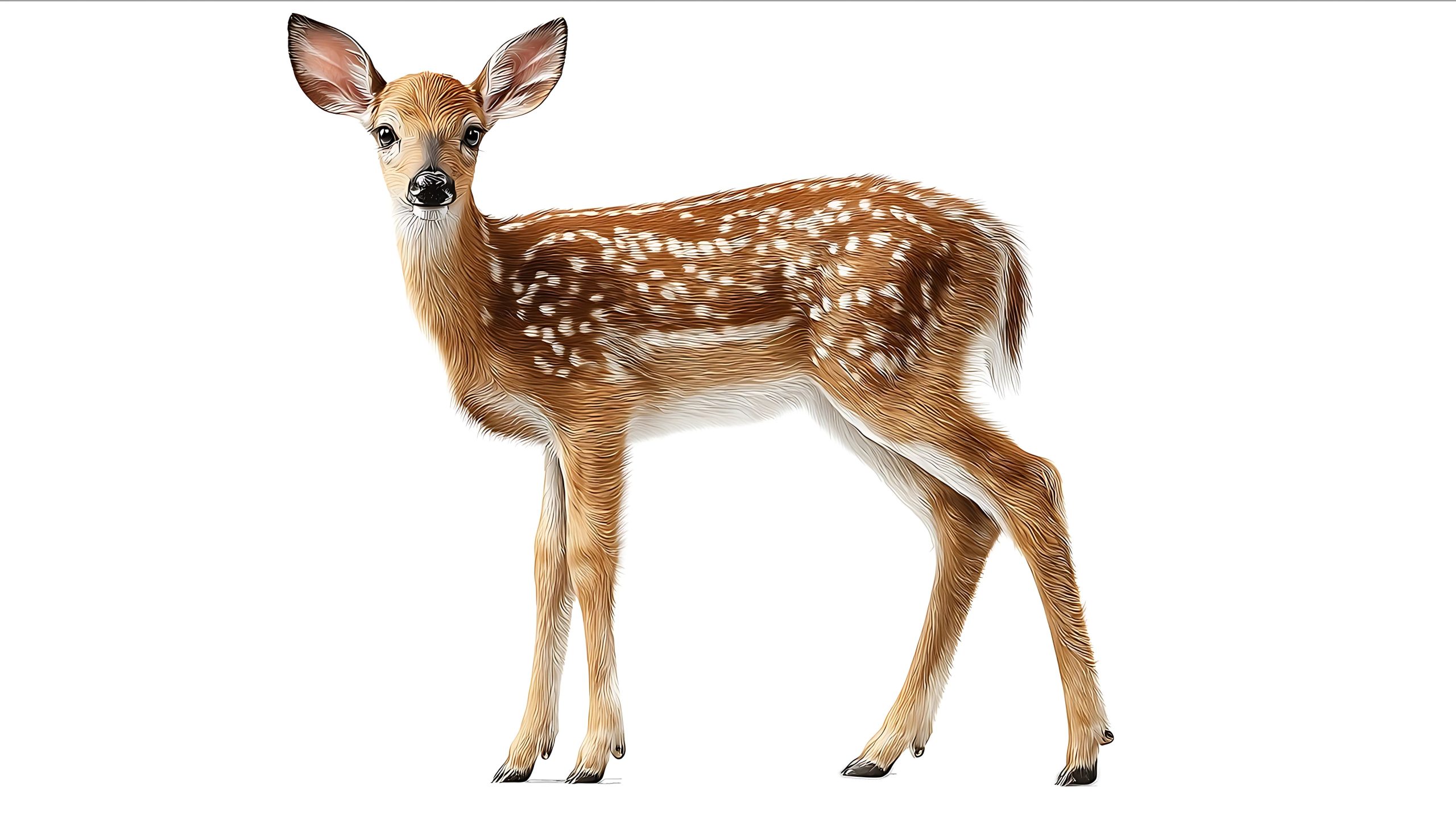
This for a nature lover in general, and specifically an animal lover like me, is a happy place. However, some of my neighbours are less enthusiastic about the animals, particularly the deer. The deer are considered intrusive “pests” by some because they have the temerity to stave off starvation in the harsh winters in particular by grazing on evergreen garden plants such as holly bushes, yew trees, rhododendrons, and sundry others. In summer they’ll emerge from the forest at night for various offerings such as certain varieties of hostas (which they seem to favour above everything else) and vegetables. It might not surprise you that this does not sit well with the keen gardeners. In fact, some are outspokenly hostile about the deer. The deer, of course, if able, would point out that they’ve been here for over a hundred years and that, in fact, in this area, we are the intrusive pests.
Then there’s the we-discourage-feeding-the-wildlife admonishment given to me by a wildlife officer called to deal with a deer in medical distress. The concern is apparently that they will become less-wild and somewhat domesticated. Reality doesn’t support this. The deer in question show no signs at all of becoming “domesticated.” You can’t get within a few hundred feet of them—the mere site of a human instantly sends them gracefully bounding away. Another don’t-feed-them argument holds that one is upsetting the balance of nature (an argument that’s been made to me about my bird feeders too). Well, it’s too late for that. The balance of nature was upset the minute we began encroaching to build houses, roads, and golf courses. Helping the wildlife survive by feeding is merely compensating for the balance of nature we’ve already irreversibly upset. But, undeterred in our arrogance, we add insult to injury by deeming them to be “pests.”
A consequence of the “pest” designation is a widely-held belief that anything to discourage visits from the deer is good and anything that is deemed to encourage them, is bad. Intentionally feeding them is regarded as worse than bad. And this is where I run into trouble—I feed the deer in winter on carrots and a specially-prepared deer feed sold relatively cheaply in 20 kilogram bags by a farmers’ co-op. I do so, not only because I can’t stand the site of animals starving while their normal diet that we’ve diminished substantially is buried under a few feet of snow, but because it’s also the smart way to deter garden raids. It’s simple logic—if an animal can satisfy its hunger with a preferred foodstuff A, it’s not going to eat a less-preferred foodstuff B.
To my critics and anti-feeding campaigners who maintain that feeding the deer only serves to attract them, I ask, attract them from where? They don’t need attracting, they’re here anyway. And, naturally, they are intent on surviving, which means feeding on what’s intentionally provided or feeding opportunistically on whatever they can find. And when all they can find is growing in your garden, it’s time to consider my foodstuff A versus foodstuff B solution. Be assured that it’s not just an assumption; I’ve proved it by trial and error.
And this is not about running the risk of a deer density problem; it’s not large scale feeding. It’s about offering life support. It’s about offering a small supplement, not replacing natural feed completely. We’re only talking about a handful of deer; I’ve never seen more than four at a time.
So, hell, yes, of course I feed the deer in winter, and so, in fact, does everyone else. It’s just that I choose to feed them on the farmers’ co-op prepared grain and molasses mixture and carrots rather than garden plants.